

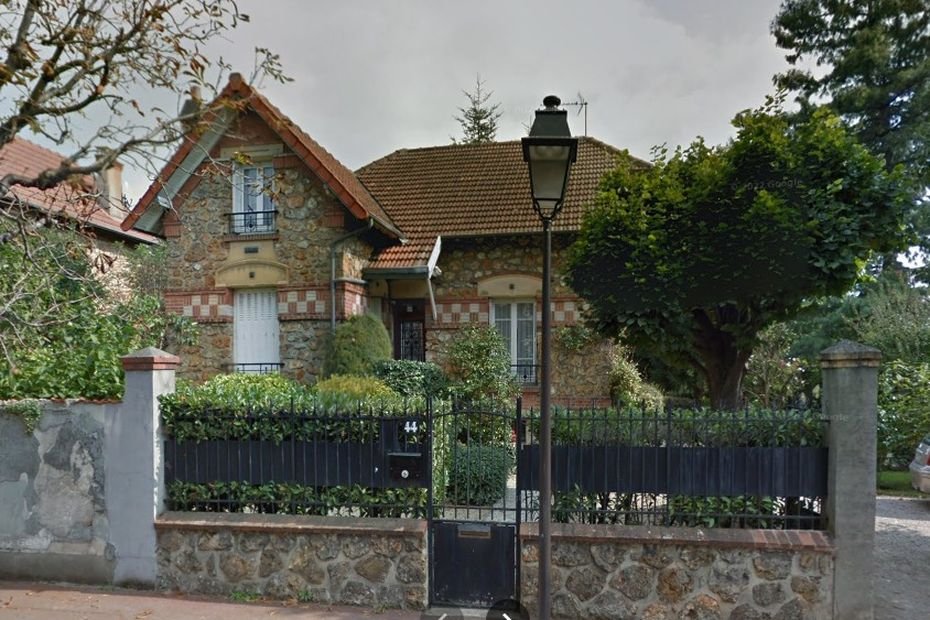
À Antony dans les Hauts-de-Seine, la destruction annoncée d’un pavillon en meulière datant de 1927 au 44 avenue Gabriel Péri suscite une vive émotion. Une pétition lancée par l’association a déjà recueilli plus de 1 500 signatures en trois semaines.
C’est un bras de fer qui illustre les tensions croissantes entre impératifs de densification urbaine et préservation de l’identité locale. Au cœur du conflit se trouve une demeure bourgeoise signée de l’architecte René Gravier, édifiée en 1927.
Cette maison est typique de l’architecture pavillonnaire qui a façonné le sud de Paris au début du XXe siècle, avec ses façades en pierre meulière, ses fenêtres surmontées de linteaux et ses garde-corps travaillés. Située en surplomb des voies du RER, elle constitue pour beaucoup d’habitants une véritable «vitrine» du centre-ville historique d’Antony.
L’Association pour la Sauvegarde du Patrimoine et de l’Environnement à Antony (ASPEA) pointe du doigt ce qu’elle considère comme un changement de pied radical de la municipalité. Initialement, la ville avait reconnu les qualités de cet édifice dans ses documents d’urbanisme, vantant ses bandeaux décoratifs et son intérêt patrimonial.
Pourtant, lors de la dernière enquête publique du Plan Local d’Urbanisme intercommunal (PLUi) en juin 2024, l’appréciation officielle a basculé. La mairie a justifié le retrait de la protection par une «extrême vétusté» du bâtiment, affirmant désormais qu’il ne présenterait plus de «caractéristiques particulières».
La maison centenaire menacée de destruction à Antony.
•
© ASPEA
Pour Pierre Daviaud, membre de l’ASPEA, ce constat est difficile à entendre et semble opportuniste. Il rappelle que la structure de la maison est saine et que sa dégradation apparente est la conséquence d’un abandon volontaire, les ouvertures ayant été murées après le rachat du terrain par un promoteur immobilier.
«Le patrimoine c’est notre mémoire. Qu’est-ce qui caractérisait un style architectural ? Si vous n’avez pas d’exemple sous les yeux, vous perdez cette mémoire-là», explique-t-il.
Pour l’association, ce déclassement crée un précédent inquiétant pour les seize autres bâtiments remarquables que compte encore la commune de 65 000 habitants, dont certains présentent un aspect bien plus «banal» que cette meulière de l’avenue Péri.
Le projet immobilier prévoit la construction de deux bâtiments totalisant dix logements, grimpant jusqu’à 12 mètres de hauteur. Outre la démolition de la bâtisse, c’est l’abattage d’arbres de haute tige situés dans le jardin qui cristallise les tensions.
Dans un contexte de réchauffement climatique et de lutte contre l’artificialisation des sols, l’association défend cet «îlot de fraîcheur» en plein cœur de ville. Thierry Lauriol, vice-président de l’ASPEA et habitant de longue date, ne cache pas son amertume face à ce qu’il qualifie de projet «pseudo-classique» dont le seul objectif serait, selon lui, la «recherche du profit».
L’association rappelle qu’il existe d’autres secteurs dans la ville, comme le projet Antonypole, où la construction de logements neufs se fait sur des zones d’activités déjà construites, évitant ainsi de sacrifier le patrimoine végétal et historique du centre-ville.
Pour tenter de sauver le 44 avenue Gabriel Péri, les opposants ont engagé plusieurs recours juridiques, appuyés par un cabinet d’avocats spécialisés, afin de faire annuler le permis de construire. Ils demandent aujourd’hui l’ouverture d’une étude alternative qui permettrait d’intégrer la maison existante et son parc arboré dans un projet de réhabilitation plus respectueux du cadre de vie.
Pour l’heure, le dossier reste en suspens dans l’attente d’une décision de justice. The Antony town hall has not yet responded to our inquiries, despite being solicited by the editorial team.
In Antony, in the Hauts-de-Seine region, the announced demolition of a 1927 meulière-style house at 44 avenue Gabriel Péri has stirred strong emotions. A petition launched by the association has already gathered over 1,500 signatures in three weeks.
This is a standoff that illustrates the growing tensions between urban densification imperatives and the preservation of local identity. At the heart of the conflict is a bourgeois mansion designed by architect René Gravier and built in 1927.
This house is typical of the pavilion architecture that shaped the southern suburbs of Paris in the early 20th century, with its meulière stone facades, lintel-surmounted windows, and intricate railings. Perched above the RER train tracks, it is seen by many residents as a true «showcase» of Antony’s historic city center.
The Antony Association for the Preservation of Heritage and Environment (ASPEA) has criticized what they see as a radical change in direction by the municipality. Initially, the city recognized the qualities of this building in its urban planning documents, praising its decorative banding and heritage value.
However, during the last public inquiry for the Intercommunal Local Urban Plan (PLUi) in June 2024, the official assessment shifted. The town hall justified the removal of protection by citing the building’s «extreme dilapidation,» now claiming it no longer exhibits any «particular characteristics.»
For Pierre Daviaud, a member of ASPEA, this assessment is hard to accept and seems opportunistic. He points out that the house’s structure is sound and its apparent degradation is the result of deliberate neglect, with openings being walled up after the land was purchased by a property developer.
«Heritage is our memory. What characterized an architectural style? If you don’t have examples in front of you, you lose that memory,» he explains.
The downgrading of this house sets a worrying precedent for the other sixteen remarkable buildings in the town of 65,000 inhabitants, some of which appear much more «ordinary» than this meulière on Avenue Péri.
The real estate project includes the construction of two buildings with a total of ten housing units, reaching up to 12 meters in height. In addition to the demolition of the building, the felling of tall trees in the garden is also causing tensions.
In a context of climate change and the fight against soil artificialization, the association defends this «cool oasis» in the heart of the city. Thierry Lauriol, vice-president of ASPEA and a long-time resident, expresses his bitterness towards what he describes as a «pseudo-classical» project driven solely by the «pursuit of profit.»
The association points out that there are other areas in the town, such as the Antonypole project, where new housing construction is taking place on already built-up areas, avoiding the sacrifice of the city center’s plant and historical heritage.
In an effort to save 44 Avenue Gabriel Péri, opponents have initiated several legal challenges, supported by a specialized law firm, in order to overturn the building permit. A petition launched by the association has already collected more than 1,500 signatures in three weeks, calling for an alternative study to be opened that would integrate the existing house and its tree-lined park into a more respectful rehabilitation project for the living environment.
Currently, the case is pending a judicial decision. When contacted by the editorial team, the Antony town hall has not yet responded to our inquiries.











Deja una respuesta