

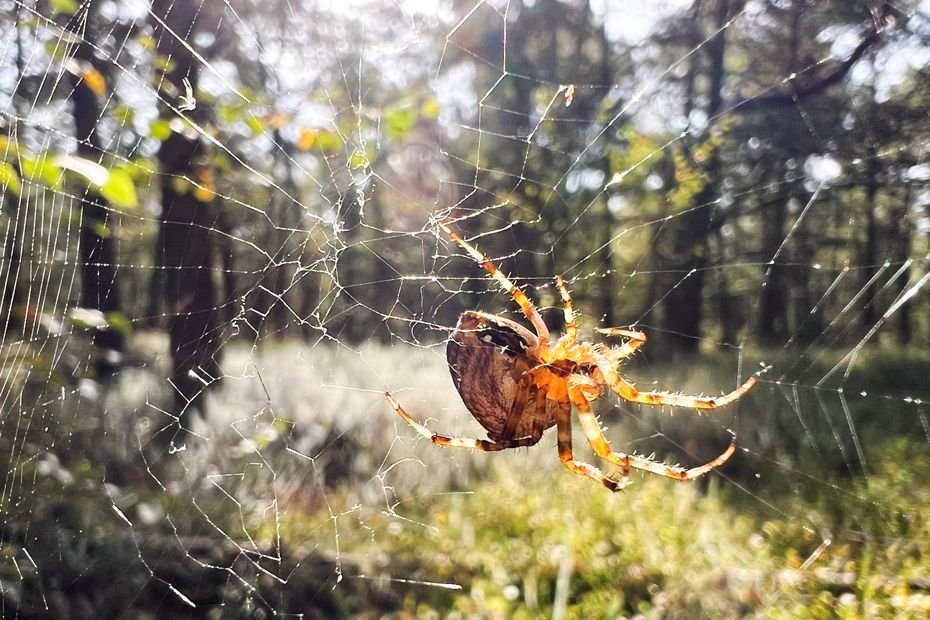
For three weeks, «The Roar of the Deer» allows you to discover one of the most striking spectacles in the wild world. Alongside Fleur Daugey, ethologist, writer, and journalist, Nicolas Sallé questions the ecological issues of our time.
Nicolas Sallé: Why do animals play such an important role in children’s books?
Fleur Daugey: I think it would be sad if we only had humans. I feel like it has always existed, Aesop’s fables, which date back to the 7th century BC, already used animals to tell stories. I believe it’s also a way to enter the wonderful, the imaginative.
Illustration of deer and children in the 1930s
•
© Bridgeman Images via AFP
It’s fun to have animals with human clothes, behaving like humans. We can use them in all possible ways. In fact, we can talk about animals as they are, not anthropomorphize them at all, or send them into space, make them experience extraordinary adventures.
Lions, whales, or elephants are particularly represented in children’s books. Is it a coincidence or do these animals embody something special in the child’s imagination?
These are emblematic animals that adults know because they are impressive. An elephant is an incredible animal, so is a whale, so they make humans dream in general. In reality, they are known like there are personalities known to everyone.
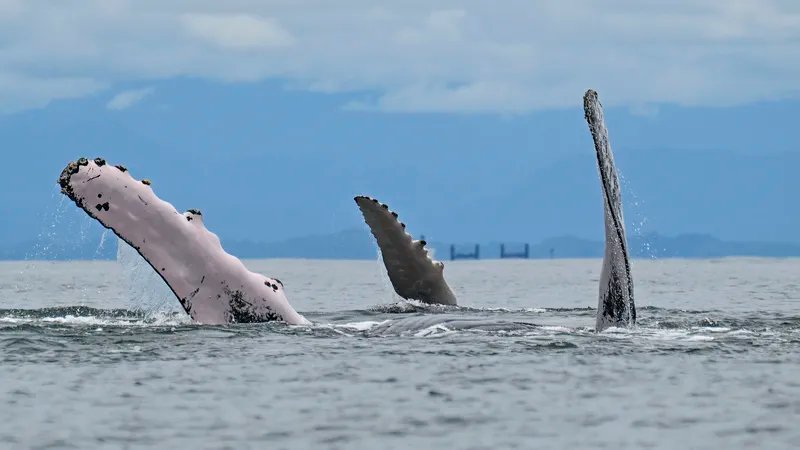
Two humpback whales off the coast of Colombia
•
© JOAQUIN SARMIENTO / AFP
I always find it interesting to talk about these species because indeed they are incredible.
Découvrir comment vivent les éléphants et ce qui se passe dans leur tête est très intéressant, mais il est tout aussi fascinant d’explorer la vie d’un escargot ou de comprendre ce qu’est une blatte. Il est important de parler des animaux souvent mal-aimés, comme le loup et le requin, pour changer les perceptions. Personnellement, j’aime explorer la vie de ces animaux délaissés, comme les araignées, pour élargir notre vision du monde animal.
Je m’intéresse autant à la baleine qu’à l’araignée. Dans mon livre «Dans la tête des animaux», je parle de l’intelligence animale en abordant la vie des tortues, des chimpanzés, des baleines, des éléphants, mais aussi des araignées et des vers de terre. Ces derniers sont tout aussi passionnants et proches de nous, ce qui nous permet de les observer au quotidien et de changer nos perceptions à leur égard.
Les premières histoires que les enfants lisent conditionnent en partie leur vision de la nature. L’influence des parents et de l’école est également primordiale. Il arrive que les enfants aient peur des araignées simplement parce que leurs parents les craignent et les écrasent. Certains livres peuvent contribuer à changer cette perception et à offrir une vision différente et enrichissante.
Retrouvez l’intégralité de l’interview de Fleur Daugey sur france.tv/idf. The article discusses the representation of animals in children’s literature, focusing on iconic animals like lions, whales, and elephants. These animals are known for their awe-inspiring qualities and often capture the imagination of children and adults alike. The article also highlights the importance of exploring less popular animals, such as spiders and cockroaches, to challenge stereotypes and foster a deeper understanding and appreciation for all creatures. The author’s book, «Dans La tête des animaux,» delves into animal intelligence, covering a wide range of species from turtles to chimpanzees, whales, and spiders.
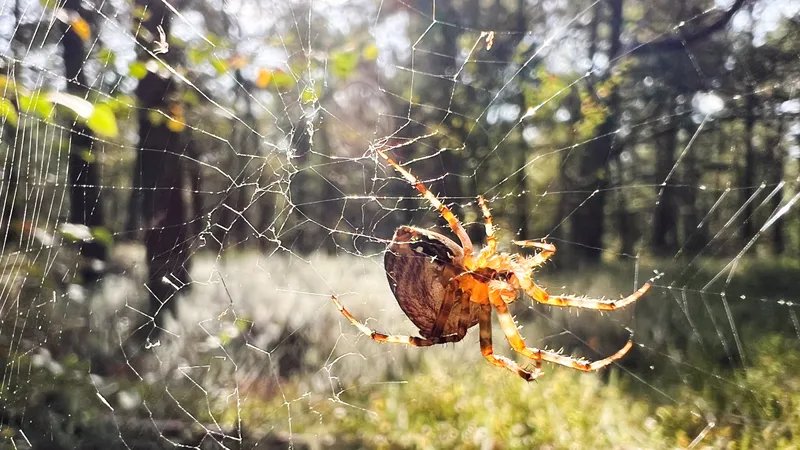
Une araignée sur sa toile en automne
•
© JULIAN STRATENSCHULTE / DPA
Because they are fascinating and often much closer to us, we can observe them in our daily lives and change our perceptions of them.
Do you think the first stories we read to children influence how they will perceive nature later on?
Yes, it’s inevitable. The influence of parents and schools is also significant. Depending on how our parents sensitize us to nature, we will inevitably follow suit. Many children fear spiders because their parents fear them and crush them. This reflex to immediately crush spiders or kill snakes is passed on. Some books can help change this initial perception and provide a different perspective.
Read the full interview with Fleur Daugey on france.tv/idf
Nicolas Sallé: Why do animals play such a significant role in children’s books?
Fleur Daugey: I believe it would be sad if we only had humans in stories. Animal characters have always been present, dating back to Aesop’s fables from the 7th century BC. Using animals in stories is a way to enter the realm of wonder and imagination.
During «The Deer’s Roar» for three weeks, discover one of the most striking spectacles of the wildlife world. Alongside Fleur Daugey, ethologist, writer, and journalist, Nicolas Sallé discusses the ecological challenges of our time.













Deja una respuesta