
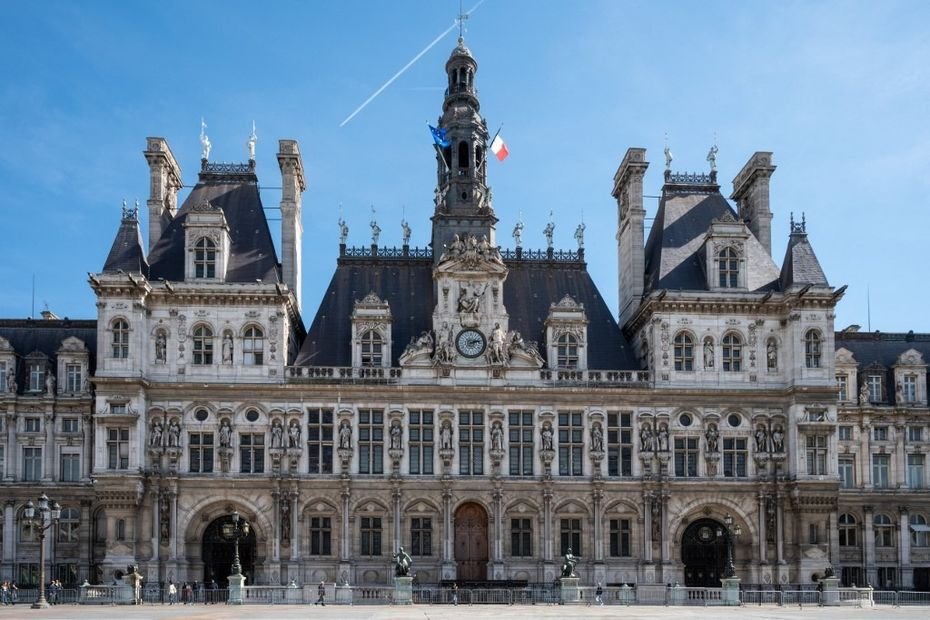
La réforme de la loi PLM (Paris, Lyon, Marseille) va permettre aux électeurs de ces trois communes de voter directement pour leur maire. Deux scrutins seront organisés en même temps : l’un pour élire le conseil d’arrondissement, l’autre pour le conseil municipal. Ils auront lieu les 15 et 22 mars prochains.
Ce sont les trois villes les plus peuplées de France : Paris, Lyon et Marseille. Elles avaient jusqu’à présent un système électoral distinct du reste des communes françaises, du fait de l’existence d’arrondissements. Les électeurs ne pouvaient voter directement pour élire leur maire.
The reform of the PLM law, promulgated this summer, changes the game.
Because in the last elections, voters chose their district council and the top elected officials then sat on both these bodies and the municipal council.
Now, voters will cast two ballots in two separate ballot boxes, one for the district council and another for the municipal council.
A new vote in Paris, Lyon, and Marseille.
•
© AFP
In Paris, in the last municipal elections, the electoral distribution was clear: the left won in the districts located in the East of Paris, while the right was the majority in the West.
In the central districts, the division was even clearer: the left won in the first 4 districts (now merged into Paris Center) and the right was the majority on the left bank, in the 5th and 6th districts.
The new voting system may upset these results, where every vote counts, forcing parties to campaign everywhere rather than focusing on the districts they were most likely to win.
Because now, to win the Paris mayoralty, it will be necessary to not only win districts (whose councilors voted for the mayor of Paris) but to win a majority of votes across the entire municipal territory.
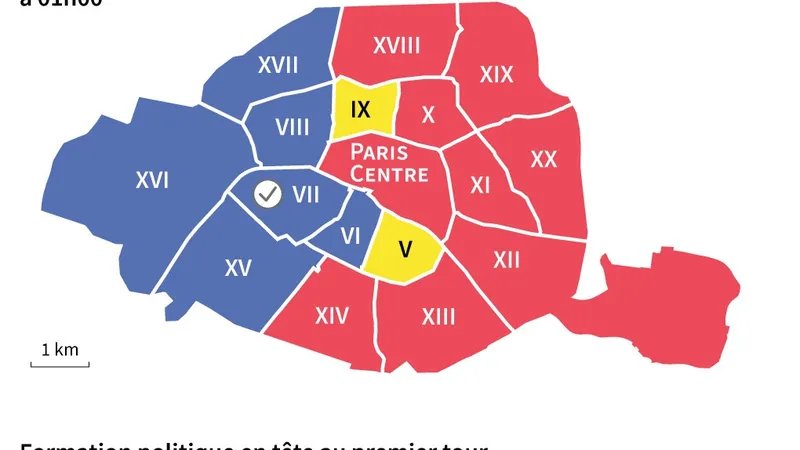
Election results by district in the 2020 municipal elections.
•
© France Télévisions
Signaling the changes that this reform could bring and the caution of political parties, the Socialists, led by Emmanuel Grégoire, are presenting a joint list with the Greens and Communists (David Belliard and Ian Brossat both withdrew in his favor) in a unique alliance formed from the first round.
Place Publique (Raphaël Glucksmann’s party) has also joined this alliance and discussions are ongoing to include members of the L’Après movement, to which Danielle Simonnet (formerly of LFI) belongs.
La France Insoumise, led by Sophia Chikirou, hopes to benefit from this reform aimed at ensuring better representation.
On the right, Rachida Dati appears to be extremely dominant and seems to have succeeded in uniting her historically divided camp in the capital. She has received the support of the leader of the Paris MoDem, Maud Gatel, and also the LR endorsement despite her presence in the Lecornu government.
But a candidate could surprise: Pierre-Yves Bournazel, who ran for mayor of Paris in 2020, is running again. He is supported by his party, Horizon, but also by… the government party, Renaissance.
Les élections auront lieu les 15 et 22 mars prochains.
SOURCE






Deja una respuesta