

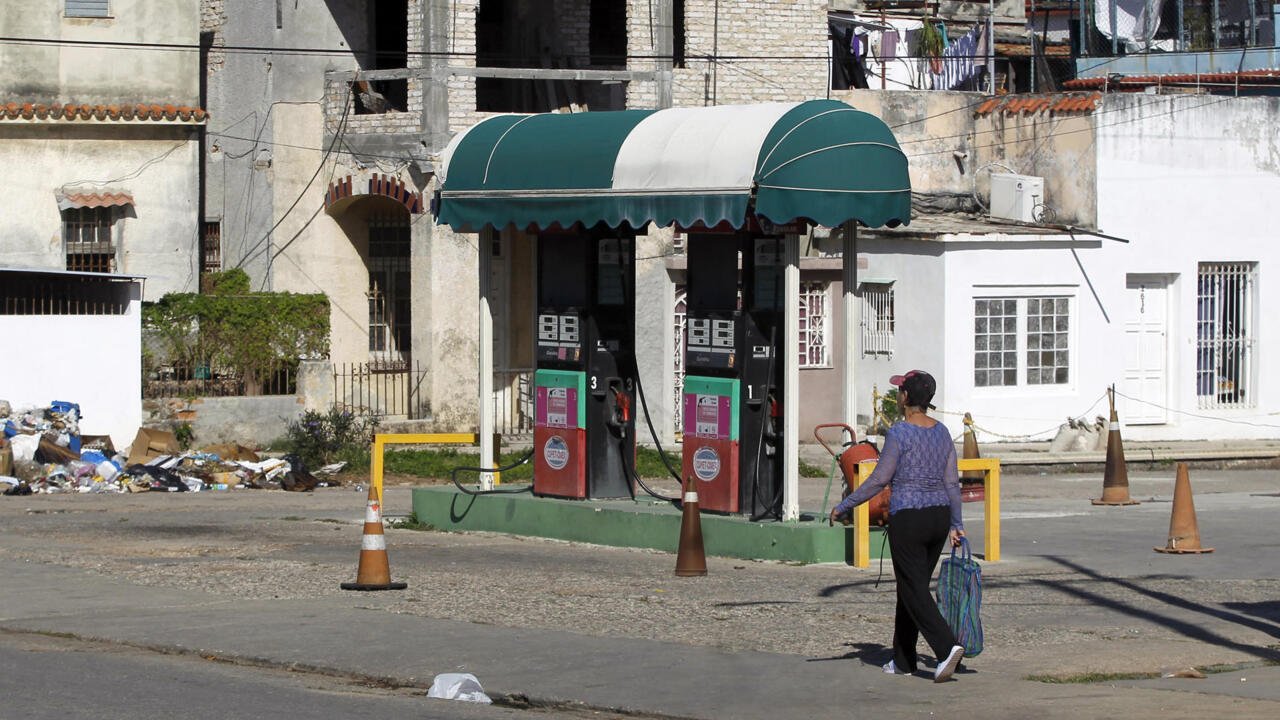
Cuba is facing a new tourist collapse in 2026, hit by a fuel crisis linked to pressures from Washington. At the same time, the United States reports the largest weekly increase in oil reserves in a year, with inventories at their highest since June.
Cuba is seeing a return of a crisis that is hitting a major source of its income: tourism. After ending 2025 with negative figures, this year starts with an even more complex outlook, due to a severe fuel shortage crisis amid growing tensions with the United States that have choked off its imports of this input.
Data from the National Office of Statistics and Information reveal that the country received 1.8 million international visitors last year, at least 18% less than in 2024, when over 2.2 million tourists traveled to the island. The downward trend has been maintained year after year, but now the deterioration seems to be accelerating.
Workers in the tourism sector in Varadero, one of the main tourist hubs, describe the situation as critical. Alejandro Morejón, an employee in the sector, told Reuters news agency that the current situation is a «tourism collapse» and stated that Cuba has lost competitiveness against destinations like Mexico and the Dominican Republic due to the fuel shortage affecting everything from land transportation to hotel operations.
The energy crisis deepened after a measure adopted in January by the administration of President Donald Trump, which de facto imposed an oil blockade on the island, not only from his country but also threatening the allies of the communist country that decided to continue sending crude oil.
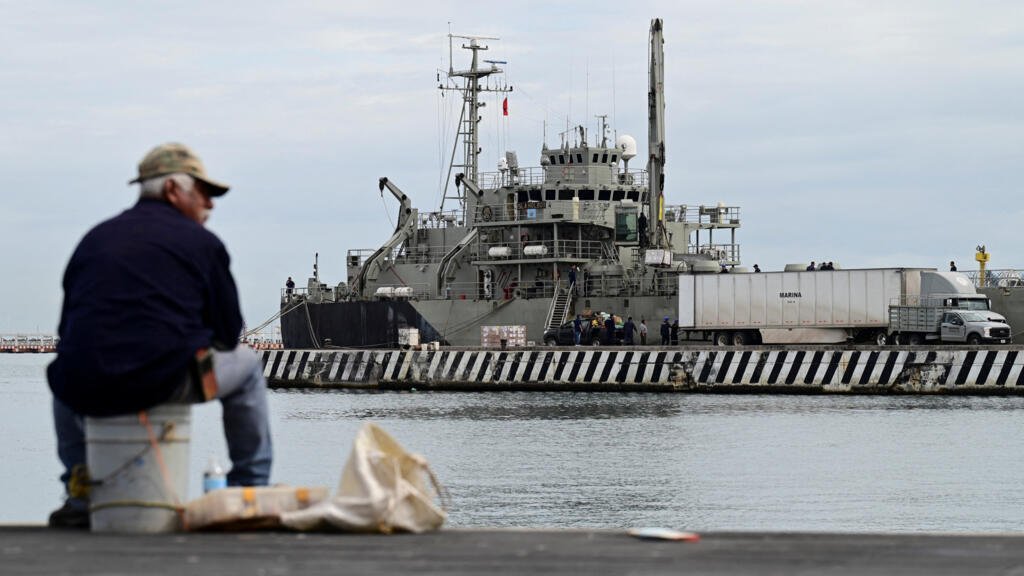
The last known fuel delivery arrived from Mexico in early January, before that country suspended exports under U.S. pressure. However, Governor Claudia Sheinbaum stated that the decision was made independently.
The consequences are being felt at airports. Cuban aviation authorities warned that the country is running out of fuel for planes. Several international airlines have temporarily suspended their flights or opted to redirect aircraft to refuel at other airports in the Caribbean. Russia announced the evacuation of approximately 4,000 Russian tourists within days, with flights operating only outbound before suspending services.
While the island faces a lack of so-called «black gold,» the United States reports a diametrically opposite scenario. The Energy Information Agency (EIA) reported on Wednesday, February 11, that commercial oil reserves saw their largest increase in a year last week.
During the week ending February 6, crude inventories grew by 8.5 million barrels, well above market expectations, which anticipated a decline. Excluding strategic reserves, stocks reached 428.8 million barrels, the highest level since June 2025.
The increase is partly due to a 7.61% drop in exports, which stood at 3.7 million barrels per day, and a 9.74% increase in imports, up to nearly 6.8 million barrels per day.
U.S. strategic reserves remained stable at 415.2 million barrels. The contrast between the strengthening of U.S. energy inventories and the scarcity facing Cuba marks a new chapter in the complex relationship between the two countries, with direct effects on the economy and regional mobility.
With information from Reuters and AFP.
SOURCE









Deja una respuesta